Hand Drawn Ornamental Font for Web Design
In the fast-paced world of digital product creation, we often obsess over grid systems, responsive breakpoints, and load times. Yet, the emotional resonance of a website is frequently determined by something far more subtle: typography. Specifically, the decorative elements that break up content and guide the user’s eye. This is where Hand Drawn Ornamental steps in as an essential tool for modern web designers and UI creators. It is not merely a collection of shapes; it is a strategic design asset that bridges the gap between rigid digital layouts and human warmth.
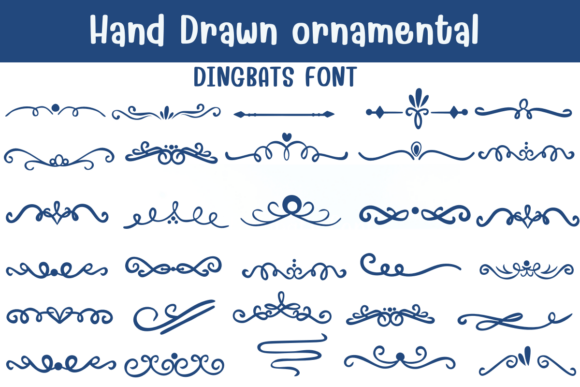
As a dingbats font, Hand Drawn Ornamental offers a versatile library of whimsical flourishes, elegant dividers, and decorative accents. For those building landing pages, online stores, or brand-focused web experiences, these elements are crucial for establishing visual hierarchy without relying solely on heavy headers or bold colors. They provide the breathing room necessary for effective scanning behavior, allowing users to digest information in manageable chunks.
Enhancing Visual Hierarchy and Layout Rhythm
One of the primary challenges in web design is maintaining user engagement across long-scrolling pages. Whether you are designing a course sales page, a detailed blog post, or a SaaS product overview, walls of text can cause bounce rates to spike. Hand Drawn Ornamental solves this by introducing organic breaks in the layout. These are not just static images; they are scalable vector glyphs that integrate seamlessly into your CSS framework.
Consider the hero section of a creative portfolio or a boutique online store. A standard horizontal rule might feel cold or corporate. By substituting it with a hand-drawn flourish from this font, you instantly inject personality. This subtle shift affects brand trust. It signals to the visitor that attention to detail matters, fostering a sense of professionalism mixed with approachability. In conversion-focused layouts, these ornamental dividers can subtly direct attention toward call-to-action areas, acting as visual arrows that point the user toward the next step in their journey.
Strategic Applications in Digital Interfaces
The utility of Hand Drawn Ornamental extends far beyond simple decoration. For UI designers, consistency is key. Using a dedicated dingbats font ensures that every divider, bullet point, and accent across your site shares the same stroke weight and stylistic DNA. This creates a cohesive online identity that strengthens brand recognition.
- Landing Pages: Use ornate dividers to separate value propositions from testimonials, creating clear mental stops for the reader.
- Online Stores: Incorporate whimsical flourishes in product descriptions to soften the commercial tone and enhance the shopping experience.
- Digital Ads and Banners: Short, impactful phrases framed by elegant corners or borders can increase click-through rates by standing out in crowded social feeds.
- Blog Graphics: Replace standard bullet points with custom glyphs to make lists more engaging and scannable.
When used in header graphics or email newsletters, these elements add a layer of editorial design sophistication. They mimic the feel of high-end print media, bringing that tactile quality to the screen. This is particularly effective for coaches, consultants, and artisans who rely on a personal connection with their audience. The handwritten aesthetic of Hand Drawn Ornamental feels authentic, countering the sterile nature of default system fonts.
Readability and Responsive Design Considerations
While decorative fonts are powerful, they must be used with precision to maintain readability. As a web designer, you must consider how these elements render on mobile screens. Hand Drawn Ornamental is designed with clarity in mind, but context matters. On smaller devices, intricate details can become muddy if scaled down too far. Therefore, it is best suited for hero titles, section headings, and standalone decorative accents rather than body copy or small button text.
For optimal performance, ensure sufficient contrast between the ornamental glyphs and the background. On light backgrounds, dark charcoal or deep navy strokes often read better than pure black, reducing eye strain. Conversely, on dark backgrounds, ensure the stroke weight is substantial enough to remain visible without appearing bloated. When overlaying these elements on images, use a solid color backdrop or a subtle drop shadow to preserve legibility. The goal is to enhance the user experience, not obstruct it.
Font Pairing for Modern Typography
The true power of a dingbats font like Hand Drawn Ornamental is revealed through pairing. It is rarely used in isolation. Instead, it acts as the spice in a typographic recipe. For a clean, modern look, pair these ornamental elements with a crisp sans serif font for your body copy. The contrast between the geometric stability of the sans serif and the organic flow of the ornaments creates a dynamic visual tension that keeps the eye moving.
Alternatively, for a more traditional or luxurious brand identity, combine Hand Drawn Ornamental with a classic serif font. This combination evokes a sense of heritage and elegance, ideal for wedding invitations, high-end jewelry stores, or literary blogs. The key is balance. Let the ornamental font handle the decorative heavy lifting while your primary typeface handles the informational load. This separation of duties ensures that your design remains functional while being aesthetically pleasing.
Technical Implementation and Licensing
From a technical standpoint, integrating Hand Drawn Ornamental into your web stack is straightforward. As a premium font, it typically comes in standard webfont formats such as WOFF and WOFF2, ensuring fast load times and broad browser compatibility. Before implementation, check the included styles and alternates. Many high-quality dingbats fonts offer multiple variations of similar elements, allowing you to avoid repetition in long-form content.
It is also vital to address licensing. When using Hand Drawn Ornamental for client projects, SaaS platforms, or digital templates, ensure you have the appropriate commercial license. Web usage often requires a specific desktop or webfont license depending on how the font is embedded. Protecting your legal standing is just as important as protecting your design integrity. Always verify multilingual support if your project targets a global audience, although dingbats are generally universal symbols.
In conclusion, Hand Drawn Ornamental is more than a set of pretty shapes. It is a functional design tool that enhances visual hierarchy, supports brand tone, and improves the overall rhythm of digital interfaces. By thoughtfully integrating these hand-drawn elements into your web designs, you create experiences that are not only usable but memorable. In an era where digital fatigue is real, adding a touch of human craftsmanship through typography can be the differentiator that turns a visitor into a loyal customer.